
Pharmacy vs. Gas Station: Differences in the Legal Regime of Medicine Trade
Cost of services:
Reviews of our Clients
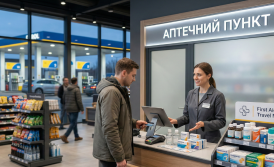
Following changes in pharmaceutical regulation in 2025–2026, the sale of medicines ceased to be the exclusive domain of classic pharmacy chains. For gas station operators, the state has opened a new monetization channel — the sale of over-the-counter (OTC) drugs at high-traffic locations.
For business, this is not just an "extra shelf of medicine." Gas station owners face two different scenarios, each with its own economics, risks, and regulatory requirements:
-
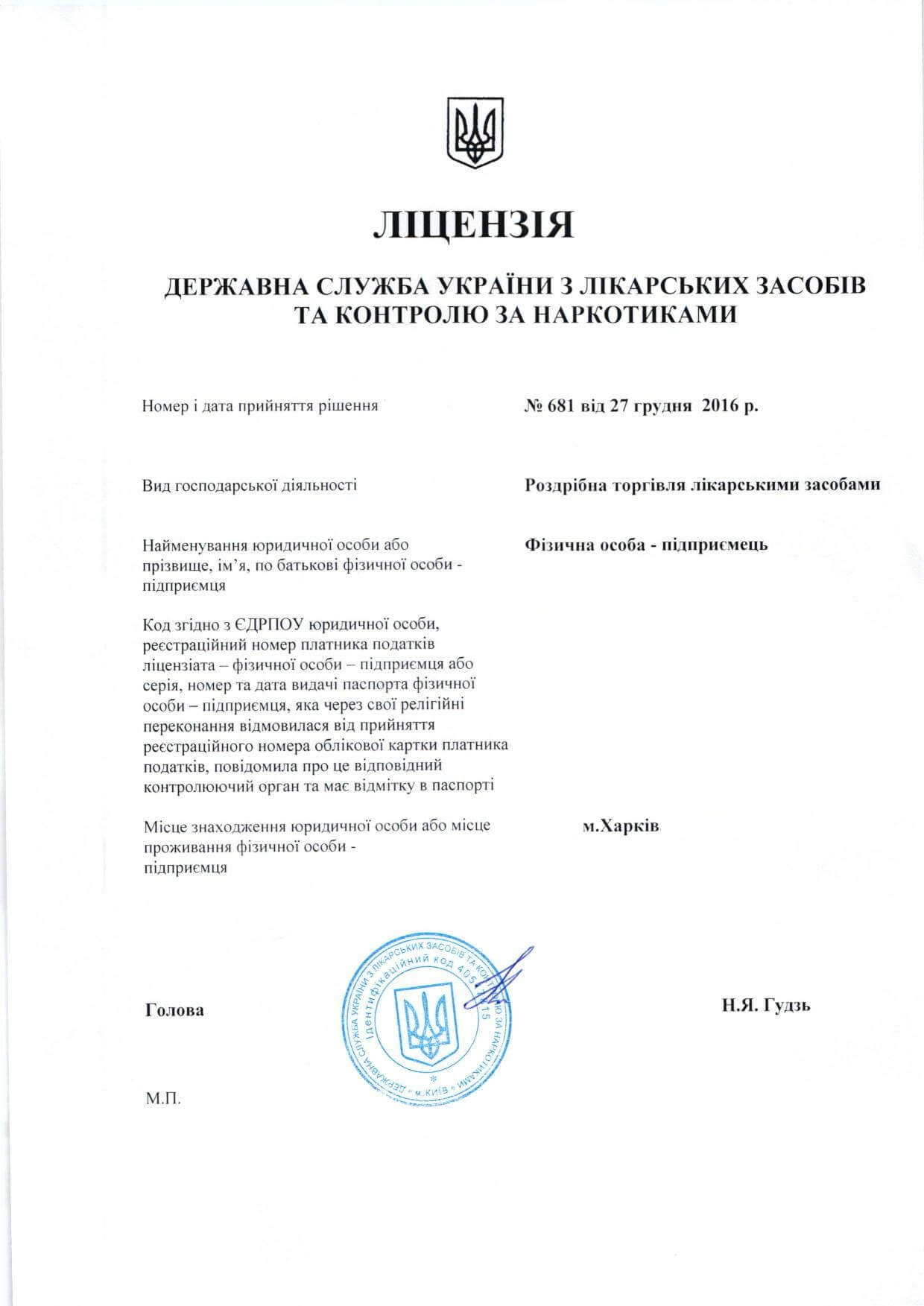
Own pharmacy license. The gas station independently obtains a license for the retail sale of medicinal products. In this case, the business retains the full margin from medicine sales but assumes all regulatory obligations: hiring pharmacists, equipping the pharmacy zone according to licensing conditions, and undergoing regular inspections by the State Service of Ukraine on Medicines and Drugs Control.
-
Partnership with a pharmacy chain. The gas station leases part of its premises to a pharmacy operator. In this model, the station owner receives stable rental income and additional customer traffic but does not enter the complex pharmaceutical regulatory regime.
The key takeaway for businesses is that selling medicine at a gas station is not a "simplified pharmacy" but a distinct legal regime with its own licensing rules and requirements for personnel and infrastructure.
This text is being translated.
Our clients