
Security Services: Key Licensing Changes
Cost of services:
Reviews of our Clients
Quick response forse "Tiger" LLC expresses gratitude to Law firm «Pravova dopomoga» for long-term cooperation, which brings only positive results.
The security services sector in Ukraine continues to undergo active reform, and today the owner of a security company is under closer scrutiny from regulatory authorities than ever before. Many executives have spent years building their reputation and organizing guard posts and rapid response units, but the future of the business now depends not only on the quality of protection provided, but also on flawless compliance with documentation requirements.
Requirements for personnel and licenses for security services have become stricter, leaving no room to “slip through.” One improperly registered guard, an expired certificate, or an error in HR reporting can result in fines or, in the worst case, license revocation. Operating “the old way” is no longer a sign of stability. It is a direct path to business closure.
As a law firm that supports security businesses, we know that the greatest threat often comes not from competitors, but from inspections by the Ministry of Internal Affairs. To help you avoid losing your business due to bureaucratic pitfalls, this article outlines the key changes in licensing of security activities that have already come into force or are currently being implemented.
You might also like: How to Avoid Refusal When Obtaining a Security Services License
Strengthening Requirements for Management and Personnel
One of the key areas of reform is the tightening of requirements for security specialists, as well as for guards and watchmen. What has changed?
- Enhanced professional training requirements, completing appropriate training or professional education, the results of which must be confirmed by a state-issued document, such as a certificate of qualification as a security guard.
Please note! When information on the appointment of a guard or watchman is submitted to the licensing authority on a quarterly basis, the Ministry of Internal Affairs verifies the issuance of the required state-issued document in the Unified State Electronic Database on Education. If there is no record of such a document in the database, the license may be suspended. If an application for a license is submitted for the first time, the identification of inaccurate data is grounds for refusal to issue the license.
- Clarified requirements for the head of security activities. Greater emphasis is placed on documented work experience and relevant specialized education.
- Military records compliance. Security personnel are required to submit a military registration document upon employment, containing information on military reserve status. The exception applies to persons who are not subject to conscription during mobilization.
- Rules for the temporary replacement of a specialist. If the security operations specialist is temporarily absent due to sick leave, vacation, or other reasons, their duties may be assigned only to an employee who has the appropriate educational background and meets the qualification requirements established for a security specialist. A “formal” replacement by an unqualified person is now considered a violation.
For companies, this means an urgent need to update internal policies and verify that every employee meets the new criteria.
While martial law remains in effect, inspections of companies holding security service licenses are suspended. However, this does not remove the obligation to submit information on changes, including those related to security personnel and the material and technical base. Cabinet of Ministers Resolution No. 1087 dated September 3, 2025, requires all licensed security companies to submit additional information to the Ministry of Internal Affairs regarding their activities. A limited deadline is set for this submission: two months starting from November 5, 2025.
More details are available in our article: Is It Mandatory to Amend a Security Services License: Updates Effective From November 2025.
Updates to Operational Standards for Security Companies
Security companies that use technical equipment in their operations, such as alarm systems, video surveillance systems, or centralized monitoring stations, are required to notify the licensing authority. The main changes concern the following areas:
- Technical information security tools. If such tools are used, the company must report to the Ministry of Internal Affairs the name of the technical equipment, its intended purpose, and the quantity in use.
- Centralized Monitoring Stations (CMS). If the company operates centralized monitoring stations, information must be submitted to the licensing authority regarding their locations, the number of operators, as well as data on the appointment and dismissal of these operators.
- Service dogs. When service dogs are used for security activities, the company must have a veterinary and sanitary passport and a certificate confirming the dog’s training. All related information must be submitted to the Ministry of Internal Affairs.
New Rules for Preparing Security Company Documentation
What you need to know:
- The application form and document package have been updated for obtaining a license, suspending its validity, resuming, terminating a license, and notifying the authority of changes.
- The mechanism for information exchange between the Ministry of Internal Affairs and other state bodies and their electronic registers has been improved. As a result, all documents submitted to the licensing authority are now subject to verification. This is why providing passport details, taxpayer identification numbers, and the details of diplomas, certificates, and similar documents has become mandatory.
Companies should establish internal compliance procedures to avoid violations related to HR record keeping, technical regulations, and information storage.
Liability for Violating Licensing Conditions by a Security Company
Any formal error translates into real financial losses and the risk of a complete shutdown of operations. The most common violations carry penalties ranging from UAH 17,000 to UAH 85,000, confiscation of equipment, technical assets, and income obtained “outside the license,” as well as the risk of full suspension of activities:
- Conducting security activities without a valid license.
- Providing inaccurate information about the material and technical base.
- Failure to notify the Ministry of Internal Affairs of company changes on time.
- Failure to comply with an MIA order to eliminate identified violations.
- Submission of incomplete or inaccurate information.
- Missing deadlines for submitting data on changes in business activities.
For security companies, this means one thing: your business must operate in full legal compliance. The risks involved far outweigh any short-term savings from avoiding professional legal support.
You might also like: Requirements for Security Specialists to Obtain a License: How to Prepare Documents Quickly
Mandatory Review of Internal Documents and Contracts
For security companies, every security service contract is a legal instrument that determines the lawfulness of their operations. Legislation requires security firms to:
- operate exclusively on the basis of written security service agreements;
- attach to each contract copies of documents confirming the client’s right to own or use the protected property;
- ensure the lawful presence of property, vehicles, or individuals within the protected area;
- retain contracts and all attached documents for at least five years after the end of the cooperation.
These requirements are essential not only for regulatory compliance, but also for protecting the company during disputes with clients, such as cases involving material liability for theft, or during inspections by law enforcement authorities.
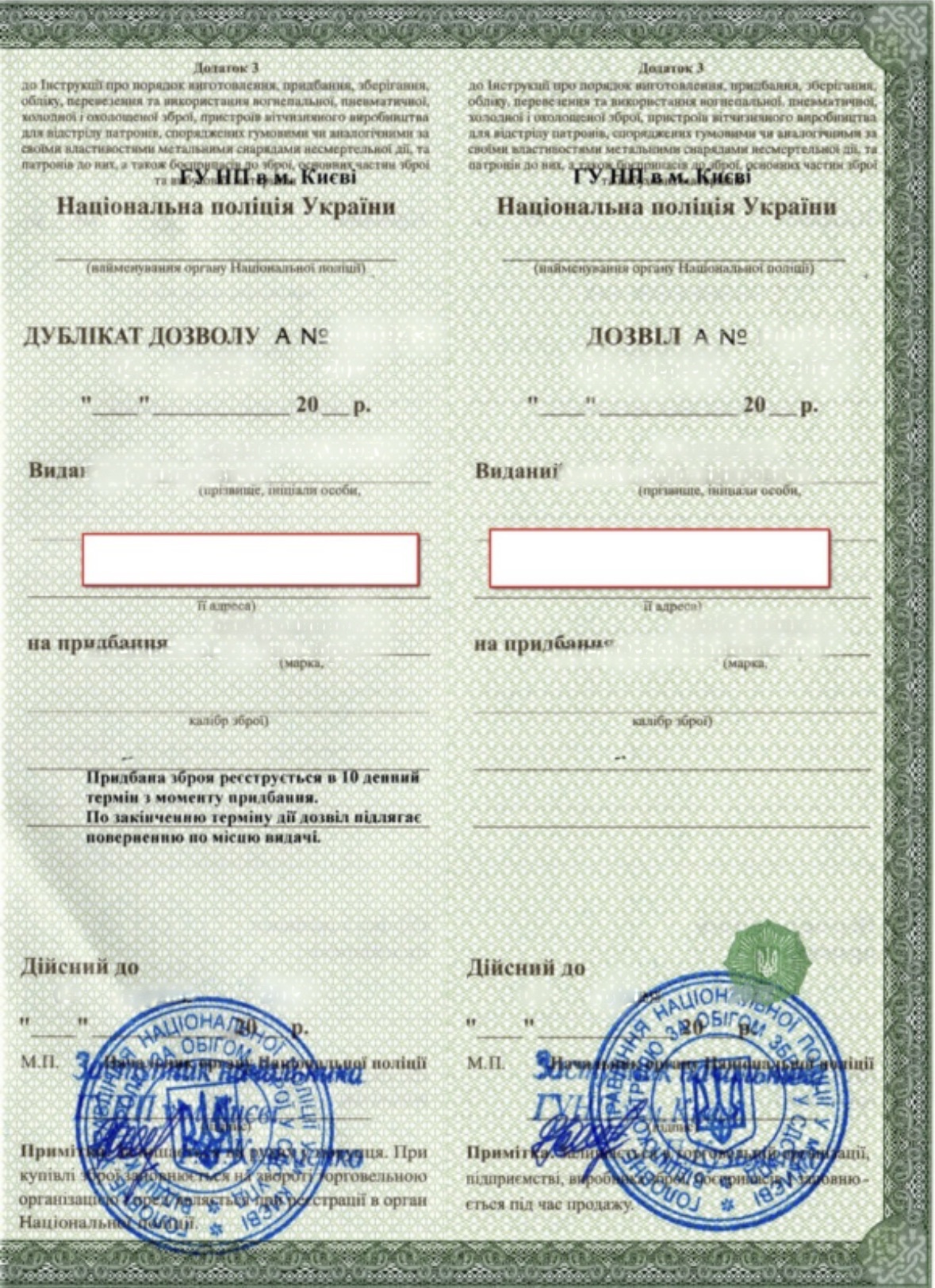
Successful case: How to Quickly Obtain a Weapons Permit for a Security Company
How to Protect Your Business Today: Your Security Roadmap
Waiting for an official inspection or hoping that the Ministry of Internal Affairs will “overlook” discrepancies in the Unified State Education Database is a strategy that can cost you your business. To continue operating without the threat of fines and to preserve your license under the new conditions, cosmetic fixes are not enough. A thorough review of all internal documentation and processes is essential.
Delegate the bureaucracy to us. We offer a comprehensive turnkey solution:
- License compliance audit: we identify risks you may not have noticed.
- Personnel review: we verify whether security staff meet the updated requirements.
- Technical equipment assessment: we check compliance with the Ministry of Internal Affairs regulations.
- Updating contracts and internal documents: we bring everything into full legal compliance.
- Legal support: we prepare the company for inspections, handle interaction with the Ministry of Internal Affairs, and manage license updates without stress or delays.
We have supported security companies for more than 10 years, including licensing and weapons permit matters. Our lawyers understand not only what the law states, but also how it is applied in practice by the Ministry of Internal Affairs.
Do not wait for an official order. Act proactively. Submit a request for an express audit of your security company or for full turnkey legal support.
Our clients