

Asset, Encumbrance, and Solvency Verification of a Counterparty Before a Major Deal
Cost of services:

Reviews of our Clients
... our work on joint projects assured us of your high level of professionalism
Before entering into a major transaction, businesses often check the price, deadlines, and quality of the goods or services, and the partner’s reputation. However, there is another issue that can directly affect the security of the transaction: does the counterparty own any assets, are those assets encumbered, involved in litigation, subject to seizure or pledged as collateral, and are there tangible indicators of the business partner's overall solvency?
For transactions involving advance payments, deferred payment terms, leases, the purchase of real estate, equipment, or corporate rights, or large supply agreements, checking the counterparty’s assets can be a decisive factor in making a business decision.
Why Checking a Counterparty’s Assets Matters
A counterparty’s assets matter not only when they are the subject of the transaction. The presence and condition of those assets can provide insight into the scale of the business, available security, the substance of its operations, its ability to satisfy a court judgment, the risk of hidden debt, and its reliance on leased or encumbered assets.
For example, a company may offer to supply goods worth a substantial amount while having no warehouses, equipment, vehicles, or employees of its own. Alternatively, a counterparty may be selling real estate that is subject to a mortgage, seizure, restriction on disposal, or pending litigation.
You might also like: How to check the company before buying?
Checking a Counterparty’s Real Estate: What to Verify
During a legal due diligence of a counterparty’s real estate, it is important to verify:
- ownership and the basis on which the property was acquired;
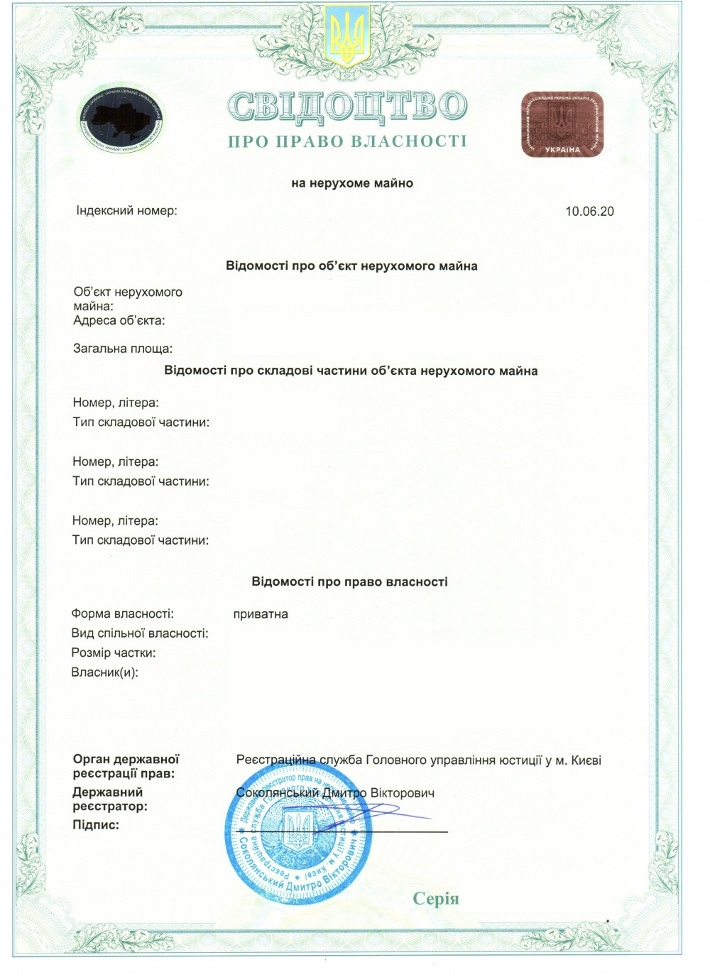
- current and historical entries in the real estate registers;
- any mortgages;
- any seizures;
- restrictions on disposal;
- existing lease agreements;
- pending litigation concerning the property;
- whether the address and technical characteristics correspond to the registered information.
A separate risk arises when a counterparty presents an asset as evidence of its reliability but does not legally control that asset. The property may belong to another company within the same group, an individual owner, or a landlord, or it may already be encumbered in favor of a bank or another creditor.
Movable Assets and Encumbrances: What to Look For
For equipment, vehicles, inventory, corporate rights, and other movable assets, it is important to check for pledges, tax liens, seizures, other encumbrances, leasing arrangements, restrictions on disposal, and documents confirming the origin of the assets.
When dealing with movable property, it is particularly important to check the current version of the applicable legislation and whether the relevant registers are accessible, as the rules and technical access to them may change.
Checking a Counterparty’s Solvency: The Limits of Legal Due Diligence
A lawyer does not replace an auditor or financial analyst, so legal due diligence of a counterparty’s solvency has its limitations. However, it can identify important risk indicators, including enforcement proceedings, signs of insolvency or bankruptcy, litigation involving debt recovery, tax debts or claims, encumbrances over assets, changes in the company’s director or owner, and multiple disputes with suppliers or customers.
A counterparty’s solvency cannot be assessed solely based on the assets it owns. If an asset is encumbered, seized, used as security for another debt, or involved in a dispute, its practical value as security for the client is significantly lower.
You might also like: Checking Commercial Property Before Buying in Ukraine

How Counterparty Due Diligence Results Affect Contract Terms
The results of a legal due diligence of a counterparty should be reflected in specific contract terms. If the level of risk is moderate, you can adjust the payment terms, split the supply into stages, add security, provide for the right to suspend performance, make payment conditional on the provision of certain documents, or require confirmation that an encumbrance has been removed.
If the risk is assessed as high, the appropriate approach may be not to strengthen the contract, but to avoid entering into the transaction with that counterparty altogether.
Due Diligence Checklist Before a Major Transaction
- Determine what exactly needs to be checked: the counterparty, the asset, the owner, the corporate group, or all of them.
- Obtain the draft agreement, transaction value, deadlines, and relevant commercial context.
- Check the Unified State Register, the owners, the director, and whether the company is in the process of dissolution or bankruptcy.
- Check court proceedings and enforcement proceedings.
- Check real estate, mortgages, seizures, restrictions on disposal, and the history of ownership.
- Check movable assets and encumbrances if they are the subject of the transaction or are being provided as security.
- Assess tax and licensing risks.
- Reflect the findings in the contract terms or decide not to proceed with the transaction.
You might also like: How to check the contract of investment in a new building?
Legal Support for Counterparty and Asset Due Diligence Before Transactions
We check a counterparty’s assets, encumbrances, and solvency in connection with a specific transaction. It is not enough to know that a counterparty owns assets. What matters is whether those assets can actually serve as security for the transaction.
Based on the results of the counterparty due diligence, we prepare a legal opinion, a risk assessment, and practical recommendations.
A major transaction requires more than a well-drafted agreement. It also requires an understanding of who is actually behind the performance of that contract and what assets are genuinely available. Checking a counterparty’s assets, encumbrances, and solvency helps identify potential risks before the client transfers money, delivers goods, or ties the business to a problematic partner.
Planning a major transaction? Make sure you conduct legal due diligence of your counterparty before moving forward. Contact us to make informed business decisions based on verified facts rather than assumptions.
Services on the topic of this material

Our publications on this matter


Our clients


We are ready to help you!
Contact us by mail [email protected] or by filling out the form:
Other publications

A professional website and clean registry extract do not show whether a Ukrainian company is safe to pay in advance. Before the deal, a foreign company should verify the signatory, ownership, assets, disputes, and actual ability to perform the contract.

A Ukrainian website or SaaS company may fall under several U.S. state privacy laws even without a U.S. office. Before entering the market, it should assess user locations, applicability thresholds, data types, and advertising integrations.

Winning a tender does not guarantee that equipment will move smoothly through import, installation, acceptance, and payment. A foreign manufacturer should define the bidder, importer, installer, and service provider before submitting the offer.

An investment becomes vulnerable when funds have already been transferred but control over key decisions and assets has not been secured. Before the first tranche, the parties should define funding, reporting, security, and exit mechanisms.
Our other authors