
How to Prepare Procurement Documents for Freon and Refrigerant-Based Equipment Import Licensing
Reviews of our Clients
... our work on joint projects assured us of your high level of professionalism
The import of refrigerants, fluorinated gases, and other fluorinated greenhouse gases into Ukraine is subject to regulation as a foreign economic activity. At the same time, licensing requirements may apply not only to the substances themselves but also to equipment containing controlled refrigerants, including air conditioners, chillers, refrigeration systems, heat pumps, and other HVAC equipment.
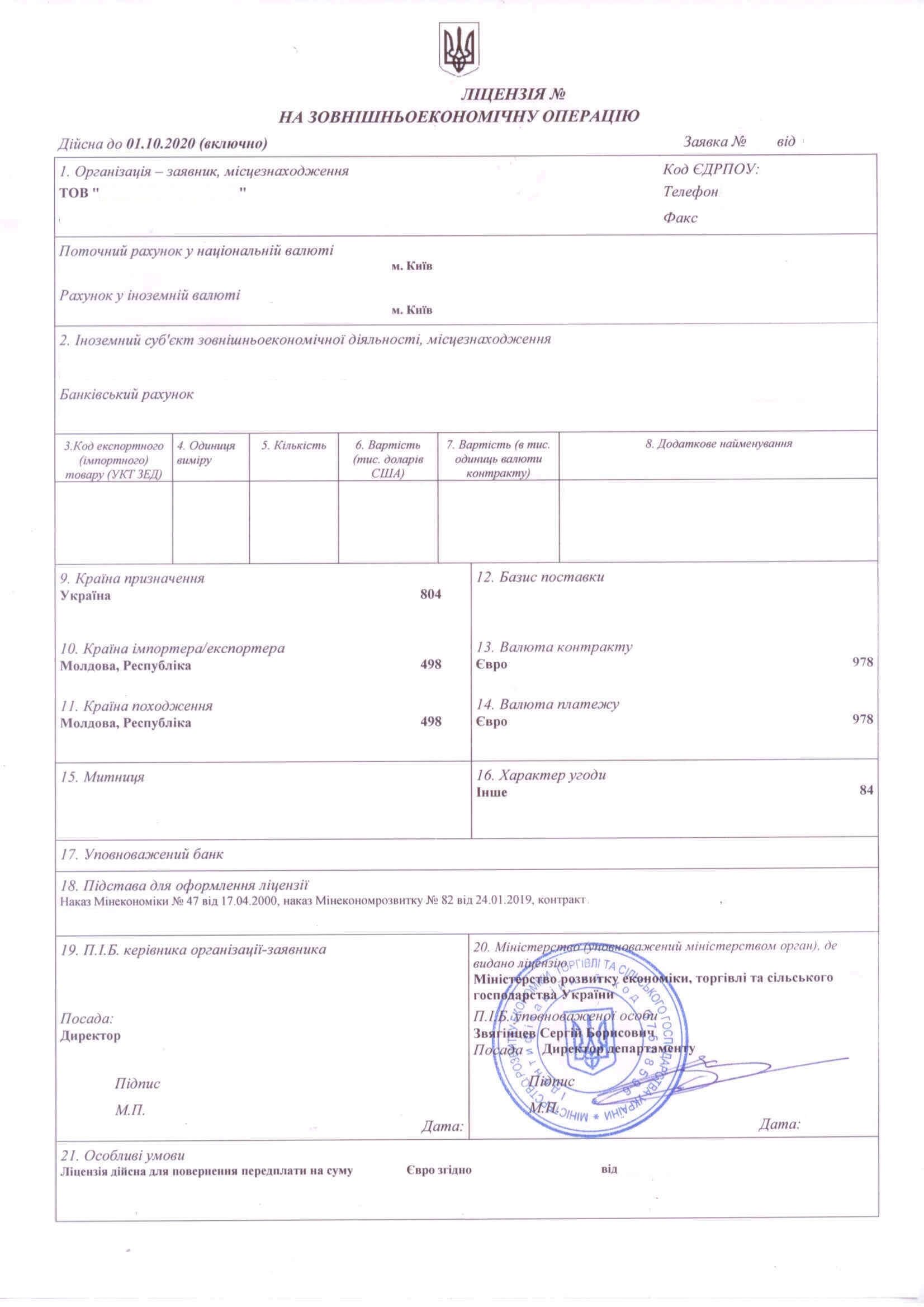
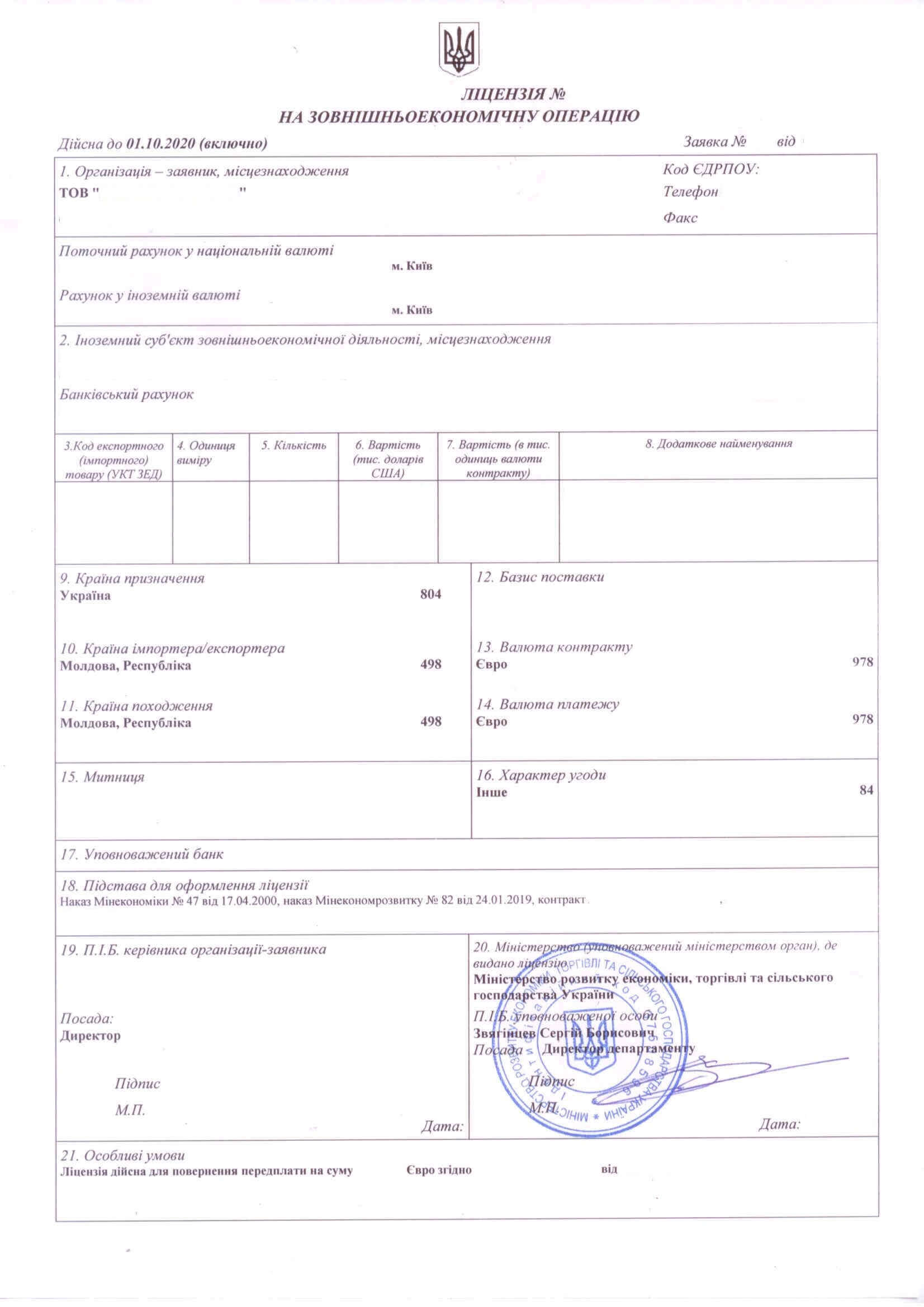
To import such goods, a business entity must obtain the relevant import license and be included in the Unified State Register of Operators of Controlled Substances.
However, problems often arise because of errors in documents prepared at the procurement stage. The contract, specification, invoice, and accompanying commercial documents form the basis for the Ministry of Economy to assess the application. If these documents contain inconsistencies or technical inaccuracies, the application review may be suspended and the import license may be refused.
Problems most often arise when:
- the product description is incomplete or too general;
- the type of refrigerant or composition of the mixture is not specified;
- the quantity stated in the invoice does not match the specification;
- the manufacturer, brand, model, or commercial name is specified differently across the documents;
- the refrigerant mixture is described incorrectly or without its percentage composition;
- the documents do not contain clearly defined signatures of the parties or are not properly executed.
As a result, the company may lose time, face delivery delays, incur costs due to goods being held up, or have to urgently amend the documents together with the foreign supplier.
Why Procurement Documents Determine the Success of a Refrigerant Import License Application
The Ministry of Economy, Environment and Agriculture of Ukraine assesses not only whether a supply agreement exists but also the logical and technical consistency of the entire document package. The authorities need to establish:
- what exactly is being imported;
- the quantity of the goods;
- whether the goods qualify as controlled substances or equipment containing such substances;
- whether the Ukrainian Classification of Goods for Foreign Economic Activity code is correctly determined based on the information provided in the documents;
- whether all documents are consistent with one another.
In practice, the procurement documentation provides the key characteristics used to identify and classify the goods. If critical information is missing or the documents contain contradictory data, officials may have grounds to question the accuracy of the product classification or the reliability of the information provided. Even seemingly minor discrepancies can create problems. For example:
- the contract specifies only “refrigerant gas,” while the invoice identifies a specific refrigerant;
- different units of measurement are used across the documents;
- the number of cylinders matches the invoice, but the total weight does not;
- the contract lists one price, while the specification lists another;
- the equipment documentation does not specify the type or quantity of refrigerant;
- the equipment is described in a way that makes it impossible to identify the specific product.
Such situations can lead to additional requests for information, longer processing times, or the need to completely revise and resubmit the document package.
Successful case: Freon import license: refrigeration equipment, heat pumps to Ukraine

Foreign Trade Contract: What Must Be Specified
A foreign trade contract is a key document for obtaining an import license for refrigerants or equipment containing controlled refrigerants. The Ministry of Economy uses this document to obtain initial information about the goods being supplied, the parties to the transaction, and the import terms. One of the most common mistakes is using an overly general product description, such as:
- “cooling gas”;
- “refrigeration products”;
- “HVAC equipment”;
- “chiller”;
- “refrigeration equipment”;
- “air conditioning system”.
Such descriptions do not allow the controlled substance or equipment containing it to be identified unambiguously. The contract should clearly specify:
- the full name of the refrigerant or equipment;
- the equipment model;
- the international refrigerant designation, such as R 134a, R 410A, or R 32;
- the type of substance, whether it is a pure gas or a mixture;
- the manufacturer;
- the trade name or brand;
- the form of supply;
- quantitative characteristics;
- the Ukrainian Classification of Goods for Foreign Economic Activity code;
- the signatures and seals of the parties, where applicable.
If equipment is imported with refrigerant already charged, it is advisable to include information about the refrigerant type and the quantity contained in each unit directly in the specification. It is also critically important to ensure that all product descriptions and specifications in the contract are consistent with the subsequent documents, including the invoice, specification, and technical documentation.
Invoices and Commercial Documents: Common Errors and Contract Discrepancies
The invoice is one of the documents most frequently checked against the contract and the import license application. For this reason, even minor inaccuracies can be critical. Common errors include:
- different product names in the contract and invoice;
- different quantities of goods;
- discrepancies in weight or packaging;
- different manufacturers;
- errors in the refrigerant designation;
- different prices;
- abbreviations that do not allow the goods to be identified.
For example, the contract may specify “R 134a refrigerant,” while the invoice simply states “gas.” Similarly, documents for air conditioners or refrigeration equipment may contain no information about the type of refrigerant used at all.
Another common problem is the automatic preparation of invoices by foreign suppliers. Suppliers often use their own internal abbreviations or commercial product names that do not provide the level of detail required under Ukrainian import licensing rules for refrigerants. As a result, the company may have to revise the documents, provide additional explanations, and resubmit the document package.
Critical Documentation Errors That May Lead to an Import License Refusal
An analysis of regulatory practice makes it possible to identify several discrepancies that may cause the Ministry of Economy to suspend the review of an application or refuse to issue an import license:
- Different product descriptions across documents. If the goods are described differently in the contract, specification, and invoice, the authorities may treat them as different products.
- Incorrect or incomplete Ukrainian Classification of Goods for Foreign Economic Activity code. Classification errors can create problems not only with the import license but also with customs authorities.
- Missing information about the composition of a refrigerant mixture or the refrigerant in the equipment. For many products, the absence of this information may be enough to raise doubts about the correct identification of the controlled substance.
- Discrepancies in quantity or weight. Even a difference between the number of cylinders and their total weight may result in requests for clarification.
- Missing manufacturer, brand, or equipment model. This is particularly important for equipment available in different technical configurations.
- Incorrect translation of documents into Ukrainian. An inaccurate translation of technical specifications can change the meaning of the original document and create a risk of incorrect product classification.
This shows that in many cases, the problem is not the goods themselves but the way the document package has been prepared.
Legal Support for Preparing Procurement Documents: How It Helps Businesses
The most practical approach for an importer is to involve specialized lawyers before signing a foreign trade contract and making an advance payment to a foreign manufacturer. At the procurement stage, it is much easier to amend the wording of the documents than to try to correct an invoice after the shipment has already reached the border.
The law firm Pravova Dopomoga has provided comprehensive legal support for document preparation and obtaining import licenses for refrigerants, ozone-depleting substances, fluorinated greenhouse gases, and climate control equipment for many years. Based on our practical experience, we can:
- verify the accuracy of the product description;
- assess classification risks;
- determine the appropriate Ukrainian Classification of Goods for Foreign Economic Activity code for the future licensing documents;
- ensure consistency between the contract, specification, and invoice;
- identify and eliminate wording that may raise questions from the Ministry of Economy;
- prepare the document package in accordance with established application review practices.
For importers, this means more than simply preparing documents. It provides a real reduction in the risk of:
- an import license being refused;
- delivery delays;
- additional costs associated with correcting documents;
- goods being held at customs.
You will not have to independently deal with the chemical composition of refrigerants, study environmental restrictions, or engage in lengthy correspondence with government authorities. We handle the regulatory and documentation process for you, helping make the required procedures faster and more predictable.
Get professional legal support for importing goods. Contact our specialized lawyers today to develop a reliable and predictable supply plan.
Services on the topic of this material
Our publications on this matter


Our clients