

Battery Energy Storage Systems (BESS) in Ukraine: Licensing, Ukrenergo Contracts, and Electricity Market Entry
Reviews of our Clients
... our work on joint projects assured us of your high level of professionalism
Battery Energy Storage Systems (BESS) are quickly becoming a key part of modern energy infrastructure. As the share of renewable energy continues to grow, the need to balance the power system increases, and businesses face growing energy security challenges, battery storage is evolving from a simple backup power source into a full-scale tool for managing electricity and a distinct part of the energy market.
In Ukraine, interest in BESS is growing among industrial businesses, developers, power producers, and investors. But the technical potential of energy storage also raises important legal questions:
- Is a license required to operate a BESS?
- When do you need to enter into agreements with NPC Ukrenergo?
- Is an MMS platform required?
- What is the proper way to bring a BESS onto the electricity market?
Below, we look at how the process works in practice, drawing on our experience with registering electricity market participants and obtaining electricity supply licenses.
You might also like: Development of contracts for an electricity supplier in Ukraine
What Is a Battery Energy Storage System (BESS) and How Does It Work?
A Battery Energy Storage System (BESS) is a combination of equipment that stores electricity for later use or delivery to the power grid.
The basic principle is relatively simple: the battery charges when electricity is in surplus, and when demand or electricity prices increase, the stored energy is either used or sold.
Today, the most common BESS applications include:
- backup power for businesses and critical infrastructure facilities;
- peak shaving;
- storing low-cost electricity at night for use during periods of peak demand;
- integration with solar and wind power plants;
- trading electricity on the market;
- participation in the balancing market;
- providing ancillary services to the transmission system operator.
An energy storage system is fundamentally different from a generating facility. A power plant generates electricity from a primary energy source, while a BESS stores and later supplies electricity that has already been received. This is why legislation is gradually establishing a separate legal framework for energy storage systems.
You might also like: Obligatory site requirements for obtaining a license for supplying of gas or electricity
Energy Storage License for BESS: When Is It Required?
As the energy storage market develops, Ukrainian legislation has introduced a separate electricity market participant: the energy storage facility operator (ESFO), which carries out electricity storage activities. So, is a license required for a BESS?
The answer depends not only on the technical characteristics of the facility, but also on whether the owner plans to participate in the electricity market and generate revenue from the commercial operation of the energy storage system.
Not every energy storage system automatically becomes an electricity market participant.
In many cases, a BESS is used solely to meet a company’s own energy needs, without selling electricity or providing any market services. In this model, the system is effectively part of the consumer’s internal energy infrastructure.
However, if an energy storage system begins conducting transactions on organized electricity market segments, participating in balancing activities, or providing ancillary services, it becomes a full electricity market participant with the corresponding rights and obligations.
As of 2026, the regulatory framework governing energy storage facility operators continues to develop. The National Energy and Utilities Regulatory Commission (NEURC) and NPC Ukrenergo are gradually adapting market mechanisms to accommodate the growing number of energy storage systems and their integration into Ukraine’s power system.
You might also like: Market Of bilateral agreements
When an Energy Storage License Is Not Required: BESS for Own Needs
A fairly common model is to use a battery exclusively to meet the needs of a specific facility, for example, for backup power, protection against emergency power outages, peak shaving, storing electricity during periods of low tariffs, and optimizing the facility’s electricity consumption.
In such cases, the energy storage system does not sell electricity to other market participants or participate in balancing the power system. Therefore, this type of use does not require registration on an MMS platform, entering into agreements with NPC Ukrenergo for market participation, or participating in the electricity market in general.
Properly defining the business model at the initial stage helps avoid unnecessary regulatory procedures and costs. What approach is right for your specific situation can be determined through a legal analysis of your circumstances.
You might also like: Obtaining ЕІС codes of type X for the electricity suppliers
BESS Entry Into the Electricity Market: When Regulatory Requirements Begin
Entering the electricity market with a BESS opens up new revenue opportunities for the owner, but at the same time creates a number of regulatory obligations. From this point, the energy storage system is no longer viewed solely as a technical facility, but as a full participant in the electricity market whose activities are subject to legal requirements and market rules.
The most common commercial models include:
- Electricity sales. The owner of an energy storage system can supply electricity to the grid during the most profitable periods.
- Energy arbitrage. This model involves purchasing electricity at a low price and selling it during periods of high prices.
- Balancing market. Energy storage systems can respond almost instantly to changes in the power system, making them a particularly valuable tool for balancing.
- Ancillary services. BESS can be used to support frequency regulation, provide capacity reserves, and deliver other system services.
- Operation through aggregated groups. Small energy storage systems can be combined through an aggregator and enter the market as a single resource. At the same time, the owner must take into account imbalance risks. If the actual operating mode of the facility differs from the submitted schedules, additional financial obligations may arise.
If you plan to use a BESS under at least one of the models above, it is advisable to determine in advance which regulatory requirements apply to your specific project. Depending on the chosen operating model, you may need to:
- obtain a license;
- acquire the status of an energy storage facility operator;
- enter into the necessary agreements with the transmission system operator and distribution system operator;
- complete registration procedures for the relevant market segments;
- ensure compliance with requirements for commercial metering, forecasting, and imbalance responsibility.
Proper preparation at the outset will help ensure a smooth entry into the market and avoid costly mistakes in the future.
Contracts With NPC Ukrenergo for BESS: Which Ones Are Required and When
Whether a BESS owner needs to enter into a contract with NPC Ukrenergo depends on the chosen operating model for the energy storage system. If the storage system is used exclusively for the company’s own needs, direct contractual relations with the transmission system operator generally do not arise. However, participation in the balancing market or the provision of ancillary services requires compliance with the relevant market requirements.
Depending on the chosen model, the following may be required:
- an electricity imbalance settlement agreement;
- the status of a balance responsible party;
- participation in the balancing market;
- agreements for the provision of ancillary services;
- provision of financial guarantees.
The list of required agreements depends on whether the energy storage system owner operates independently, through a balancing group, or through an aggregator. Errors in determining the appropriate market status may make it impossible to implement the chosen business model or result in additional costs.
When clients approach us with similar matters, we start by analyzing the planned operating model for the energy storage system and determine the appropriate format for entering the market. We also assist with entering into the relevant agreements required under the market rules and verify that they have been properly executed.

Registration as an Electricity Market Participant and Contract With the Market Operator
If an energy storage system plans to trade electricity on organized market segments, the requirements governing interaction with the Market Operator must be taken into account.
To participate in the day-ahead market (DAM) and the intraday market (IDM), it is generally necessary to register as a market participant. This involves obtaining an EIC code, entering into the necessary agreements with NPC Ukrenergo and the Market Operator, providing financial security, and completing other required procedures.
A specific feature of BESS is that the facility may act both as a consumer of electricity while charging and as a source of electricity supply while discharging. This is why proper organization of commercial metering is of fundamental importance.
MMS Platform for BESS: What It Is and When Registration Is Required
MMS (Market Management System) is an information system that facilitates interaction between electricity market participants and the transmission system operator.
For energy storage systems, MMS is one of the key tools for integrating BESS into the modern electricity market. The platform enables the real-time exchange of data between market participants and the transmission system operator and supports mechanisms for balancing the power system.
MMS is used for:
- submitting operating schedules;
- exchanging commercial data;
- settling imbalances;
- receiving dispatch instructions;
- interacting with the balancing market.
If an energy storage system is used solely for the company’s own needs, connection to MMS is generally not required.
However, participation in the balancing market or the provision of ancillary services requires integration with MMS. Our specialists have the necessary expertise and can also provide training to your employees.
You might also like: How to submit reports to NEURC for Ukrainian electricity market participants?
Operation Through an Aggregator: Can Market Entry Be Simplified?
For many energy storage system owners, working through an aggregator can be a practical option.
An aggregator combines several flexibility resources, including energy storage systems, and represents them on the market as a single resource.
The main advantages of this model include:
- simplified entry into the electricity market;
- reduced administrative burden;
- centralized management of imbalances;
- no need to build complex market infrastructure independently.
At the same time, before entering into an agreement with an aggregator, it is necessary to analyze the terms for revenue sharing, the procedure for dispatch control, and the parties’ respective responsibilities.
For example, a company has installed a 1 MW energy storage system primarily for its own production needs. During periods when the system is not required for internal use, the company would like to generate additional revenue by participating in the ancillary services market. However, it does not have a dedicated team responsible for forecasting, dispatching, submitting bids, and interacting with the transmission system operator. In this case, the company can enter into an agreement with an aggregator that will combine its BESS with other resources and ensure participation in the market on behalf of the aggregated group.
Legal Risks for BESS Owners: Licensing, Contracts, and Imbalances
Despite the significant potential of energy storage systems, improper project structuring can lead to legal and financial problems. The most common risks include the following.
Incorrectly Chosen Operating Model
Mistakes at the planning stage can result in unexpected licensing or regulatory requirements. For example, an investor plans to generate revenue from the balancing market but does not take into account the requirements for market participant status, financial guarantees, or agreements with the transmission system operator during the project design stage. As a result, once construction is complete, it may turn out that additional procedures, changes to the contractual structure, or even a license are required to implement the chosen model, even though these costs could have been avoided at the planning stage.
Failure to Enter Into the Necessary Agreements
Operating an energy storage system in the electricity market requires properly structured contractual relationships with other market participants and the transmission system operator. Depending on the chosen business model, a BESS owner may need to enter into electricity imbalance settlement agreements, agreements for participation in the balancing market or the provision of ancillary services, agreements with the Market Operator, distribution or transmission system operators, as well as agreements with a balancing group or aggregator.
Failure to enter into the necessary agreements or incorrectly structuring the contractual model may make it impossible to participate in the relevant market segment, result in financial losses, refusal to provide certain market services, additional imbalance charges, or claims from the regulator and other market participants.
Connection Issues
It is important to properly determine the technical parameters and procedures for connecting the BESS to the grid. For example, if the project design does not take into account that the BESS will operate not only as a consumer but also supply electricity to the grid, it may become necessary to amend the technical specifications or undergo additional connection procedures after construction has been completed. This can result in additional costs and delays in launching the project.
Imbalance Responsibility
Errors in forecasting or failure to follow submitted schedules may result in additional financial costs. For example, if a BESS owner declares that it will supply 5 MWh of electricity to the grid during a particular hour but actually supplies only 3 MWh, the difference will constitute an imbalance that may give rise to financial obligations under the applicable market rules.
Regulatory Claims
The electricity market is one of the most heavily regulated sectors of the economy, while the operation of energy storage systems is gradually being integrated into its regulatory framework. Risks may arise from incorrectly determining the BESS operating model, failure to comply with market rules, or violations of requirements concerning commercial metering, balancing, dispatch control, or participation in specific electricity market segments. Problems may also arise when the actual operating mode of the facility does not correspond to the declared operating model or to contractual obligations toward other market participants. In such cases, the National Energy and Utilities Regulatory Commission (NEURC) may conduct inspections and issue requirements to remedy violations. For license holders, the measures provided for by law may also be applied.
Energy storage systems are already becoming one of the key elements of Ukraine’s future energy infrastructure. They can be used both for backup power and consumption optimization and for generating revenue through participation in various segments of the electricity market.
At the same time, the successful implementation of such a project depends not only on the choice of equipment but also on proper legal structuring. Properly organizing a BESS’s entry into the electricity market allows the owner to fully realize the project’s economic potential, avoid licensing, balancing, and market participant issues, and minimize regulatory risks in the future.
Legal Support for BESS Licensing and Entry Into the Electricity Market
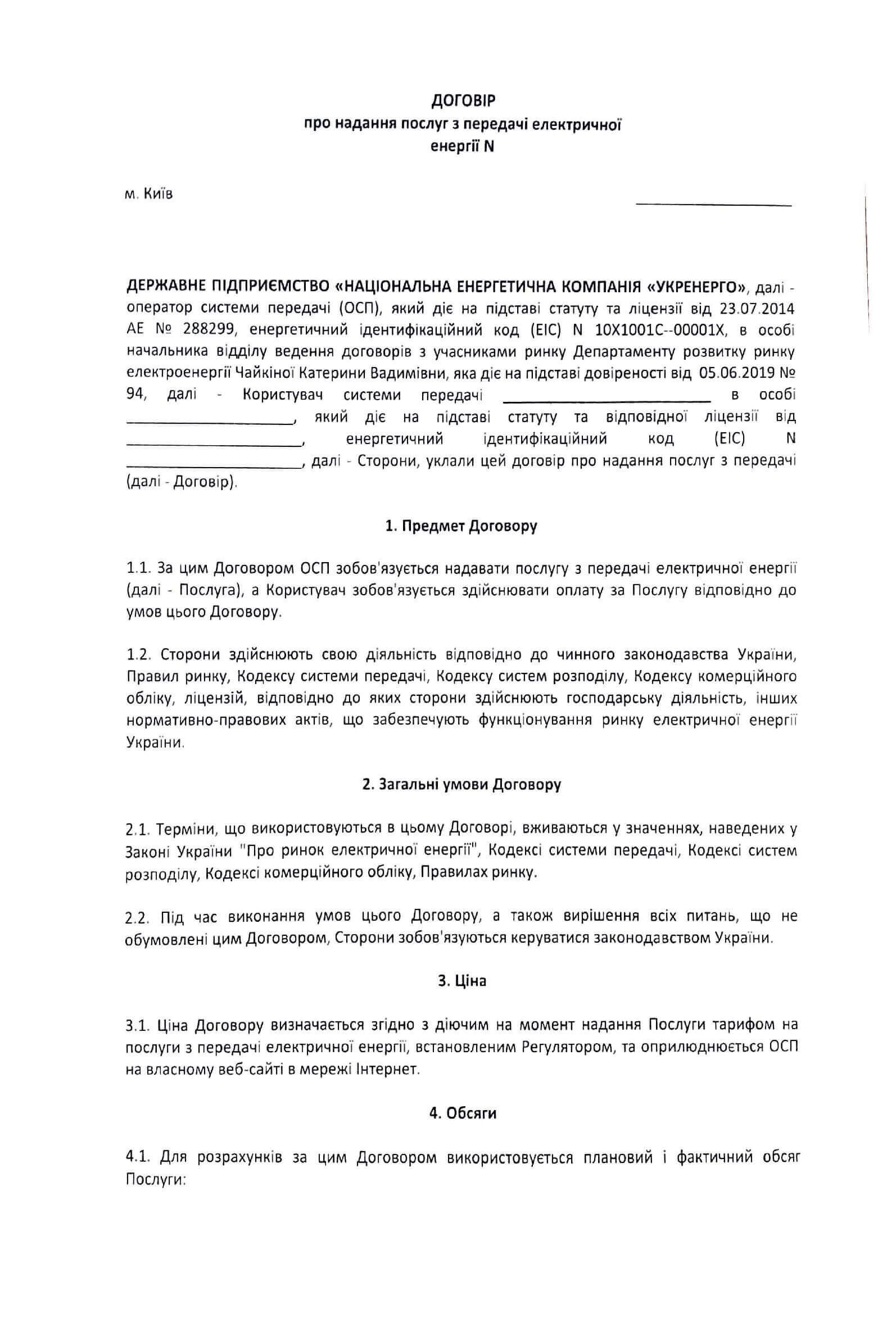
Our team provides legal support for energy storage system projects at every stage, from analyzing the business model and determining whether a license is required to preparing agreements with NPC Ukrenergo, registering electricity market participants, assisting with grid connection procedures, and interacting with the National Energy and Utilities Regulatory Commission (NEURC). We were among the first to start obtaining NEURC licenses. Our current practical experience allows us to:
- connect you to an Oblenergo anywhere in Ukraine;
- register you on the EAP platform;
- arrange electricity exports abroad;
- provide training on reporting to the NEURC;
- independently develop a website that meets all applicable requirements;
- recommend the most suitable way to launch the business, whether by registering a new company or acquiring an existing one and more.
Here, you can obtain all the services and components required for your business activities in one place. Contact our specialists for comprehensive assistance with obtaining a license and entering the electricity market.
The cost of obtaining an electricity supply license is available here
The cost of entering the electricity market is available here
Services on the topic of this material
Our publications on this matter

Our clients

We are ready to help you!
Contact us by mail [email protected] or by filling out the form:
Other publications

The license is only the starting point. The new owner still needs to update company data, verify market registrations and contracts, and set up the website, balancing, and reporting before serving the first customer.

The owner and director do not need to return to Ukraine to liquidate an LLC. The process can be handled through a representative and liquidator if the power of attorney and foreign documents are prepared correctly.

A full teaching staff, library, and some facilities do not always need to be in place when the application is filed. The key is knowing what must be ready from the start and what can be completed later through written commitments.

Selling ownership rights can provide a faster exit, while liquidation ends the company itself. Debts, assets, contracts, and potential liabilities can make the difference between these options critical.
Our other authors